
"Ghimbi flavor profile"
93000 article(s) found

Ethiopia Coffee bulk Commercial Bean producing area: Jinbi / Lekemp 05
Altitude: 1500-2100 m forest / semi-forest coffee system harvest time: February-April around the two cities of Ghimbi and Lekempti producing area names often appear jointly. Coffee roasters can use either or both. Lekempti is the capital of the region, but coffee beans with that name may come from the city of Ghimb, 100km away. Grew up in Siegopi.

Introduction of Ghimbi in Kinbi producing area of Ethiopia | what are the characteristics of Jinbi coffee?
Ethiopian Ghimbi coffee is a wet-processed (washed) coffee variety grown in western Ethiopia. It is reported that Kim coffee is thicker than Ethiopian Hara coffee. Gibby is famous for its complex flavor and rich, sharp acidity. Altitude: 1500-2100m harvest time: February-April varieties: original varieties flavor: bright citric acid, complex and abundant

Ghimbi West Ethiopian Coffee grows Commercial Coffee beans and Comprehensive mixed Coffee beans
Boutique coffee (specialty coffee) is also called specialty coffee selection coffee. It refers to coffee made from a small number of raw beans with excellent taste grown in an ideal geographical environment. Depending on the special soil and climatic conditions in which they grow, they have outstanding flavor. After strict selection and classification, this kind of coffee is hard in texture, rich in taste and stylish.
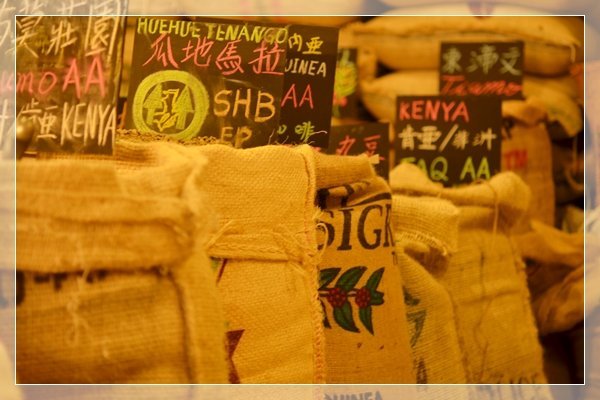
Ethiopia-Ghimbi, Sidamo, Harar and Yegashefi
Ethiopia's coffee-producing areas are divided into east and west parts by the Great Rift Valley. Lakes, volcanoes, lowlands, plateaus and woodlands alternate and evolve independently. Ethiopia has the most diverse coffee ecosystem in the world (forest coffee, semi-forest coffee, pastoral coffee and plantation coffee), which also allows it to preserve its rich Arabica genes. The eastern half is mostly plateau, coffee beans
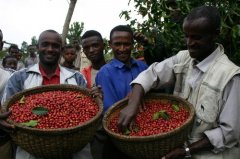
Jasmine tea, which is preferred by Ghimbi growers as a composite bean material, is fragrant and bitter
Ethiopia's coffee-producing areas are divided into east and west parts by the Great Rift Valley. Lakes, volcanoes, lowlands, plateaus and woodlands alternate and evolve independently. Ethiopia has the most diverse coffee ecosystem in the world (forest coffee, semi-forest coffee, pastoral coffee and plantation coffee), which also allows it to preserve its rich Arabica genes. The eastern half is mostly plateau, coffee beans

Ethiopia coffee production area profile Ethiopia West Dharma
Harar/Sundried/Dry-Processed Harar is located in the Eastern Highlands of Ethiopia (Haredge Province) and grows at an altitude of 5,000 - 7,000 feet. It was still wild on hillsides a century ago. Most raw beans are medium in size and pointed at both ends. The color is green with yellow or gold. When baked, it has a strong chocolate smell.

The characteristics of Sidama coffee beans in Ethiopia's famous boutique coffee producing area introduce the flavor and taste of Huakui coffee beans.
Professional coffee knowledge exchange more coffee bean information please follow the coffee workshop (Wechat official account cafe_style) the front street introduction of Ethiopian coffee southern Ethiopia has grown a rich and complex Sidamo coffee (or Sidama), rich and distinctive taste. Sidamo
What kind of coffee is unique to Ethiopia? what are the better brands of Ethiopian coffee?
Professional Coffee knowledge Exchange more information on coffee beans Please follow the coffee workshop (Wechat official account cafe_style) Ethiopia has been providing some of the best evaluated single quality coffee beans in the world. Generally speaking, Ethiopian coffee is famous for its fruit wine and obvious acidity. The average altitude of planting environment in Ethiopia is 1500-2200m, and the harvest time is November-2.

Is the coffee in the minority producing areas of Ethiopia good?
Professional coffee knowledge exchange more coffee bean information please follow the coffee workshop (Wechat official account cafe_style) Ethiopian DJIMMAH Coffee Djimmah Coffee grows in the Illubabor and Kaffa areas at 4400 to 6000 feet above sea level and is an excellent low-acid Ethiopian coffee when it is wet-processed (washed). When Djimah is naturally dried; however,
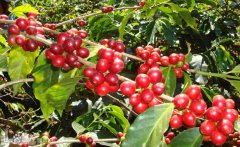
Kimby-Ethiopia Fine Coffee Beans
Ghimbi grows in the plateau of Wollega province, north of Jima, west Ethiopia, 4900-5900 feet above sea level. Its annual yield is about 500000bags/60kg. Its export is mostly G5/G4. Its bean body is bigger and longer than Longberry, with a little brown in green color. It tastes like less jasmine tea fragrance, more bitter, lacking rising hala, slightly sour, with slight fruit fragrance and wine fragrance.
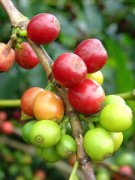
One of the ingredients of synthetic beans, Jinbi coffee, fine coffee.
Ghimbi grows in the plateau of Western Ethiopia at 4900-5900 feet (Wollega province) above sea level, north of Jima, mostly wild, with an annual output of about 500000bags/60kg, mostly exported by G5/G4, beans larger and longer than Longberry, brownish in green, similar to less jasmine tea, more bitter, lack of rising Hara, slightly sour, slightly fruity and slightly inferior to wine.

Brief introduction of main producing areas of Sidamo Coffee Bean
Following caf é (Wechat official account vdailycom) found that Beautiful Cafe opened a small shop of its own Sidamo Coffee Bean production area profile: Hara (Harar) / Solar or dried (Sundried/Dry-Processed) Hara is located in the Eastern Highlands of Ethiopia (Harerge Province) and grows between 5000 and 7000 feet above sea level. It was still wild on the slopes and raw beans a century ago.
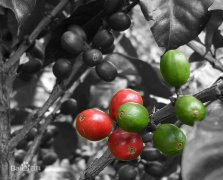
Gold is longer than West Ethiopia, and it is a material that many bakers like to use as comprehensive beans.
Ghimbi grows in the plateau of Western Ethiopia at 4900-5900 feet (Wollega province) above sea level, north of Jima, mostly wild, with an annual output of about 500000bags/60kg, mostly exported by G5/G4, beans larger and longer than Longberry, brownish in green, similar to less jasmine tea, more bitter, lack of rising Hara, slightly sour, slightly fruity and slightly inferior to wine.

Brief introduction of main producing areas of Ethiopian Coffee
Hara (Harar) / Solar or dried (Sundried/Dry-Processed) Hara is located in the Eastern Highlands of Ethiopia (Harerge Province) and grows between 5000 and 7000 feet above sea level. It was still wild on slopes a century ago. Most of the raw beans are medium size and have long tips at both ends, with a yellowish or golden green color and strong chocolate when baking.

General situation of Coffee in Ethiopia Coffee growing Coffee running away from ET Coffee processing Arabica
1. Arabica's hometown, the source of coffee in the world, the first thing to mention is, of course, coffee, this amazing guy, actually originated in Ethiopia. In the world coffee market, the most important high-quality coffee variety, Arabica coffee, ta's hometown is Ethiopia. It is generally believed that coffee originated in Kaffa, Kafa province, Ethiopia. Coffee is called in ET.
A brief introduction to the main producing areas of delicious Ethiopian coffee
Hara (Harar) / Solar or dried (Sundried/Dry-Processed) Hara is located in the Eastern Highlands of Ethiopia (Harerge Province) and grows between 5000 and 7000 feet above sea level. It was still wild on slopes a century ago. Most of the raw beans are medium size and have long tips at both ends, with a yellowish or golden green color and strong chocolate when baking.
A brief introduction to the main producing areas of coffee beans in Ethiopia
Hara (Harar) / Solar or dried (Sundried/Dry-Processed) Hara is located in the Eastern Highlands of Ethiopia (Harerge Province) and grows between 5000 and 7000 feet above sea level. It was still wild on slopes a century ago. Most of the raw beans are medium size and have long tips at both ends, with a yellowish or golden green color and strong chocolate when baking.

A brief introduction to the Market Price of Ethiopian Fine Sidamo Coffee varieties
The highest grades of Ethiopian washed coffee Yega Chuefei G1 G2 Sidamo (Yirgacheffe, Sidamo) are Grade 2 and Grade 3 (G2, G3), while most of the sun-processed coffee in eastern Ethiopia are Grade 4 or Grade 5 (G4, G5). In many cases, level 4 coffee is marked as level 5 in order to reduce taxes. At present, the grading is not uniform and messy, because there is also sun processing.
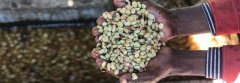
Differences in flavor and taste of coffee stories from single producing areas in Ethiopia's best coffee bean producing areas
Until 1995, Ethiopia was divided into

Citrus sour Ethiopia | Yega Xuefei YirgacheffeChelelektu
Professional coffee knowledge exchange more coffee bean information please follow the coffee workshop (Wechat official account cafe_style) citrus sour Ethiopia | Yega Xuefei production area Xueyitu YirgacheffeChelelektu coffee bean characteristics and flavor? Chelelektu will return to the warehouse in Antwerp this year! For the second year in a row, we provided a lot at Kochere, a famous laundry station.